
Copper Cups, Tumblers & Mule Mugs
Type
Technique
Finish
Sheet thickness
Copper cups and tumblers take on the temperature of the drink poured into them within seconds and pass that coolness to the hand. BakırBul’s range runs from single-sip shot cups to one-litre tumblers, with Moscow Mule mugs in between. Volume is the first choice, finish the second, and the interior is tin-lined.
Showing 1–16 of 141 results
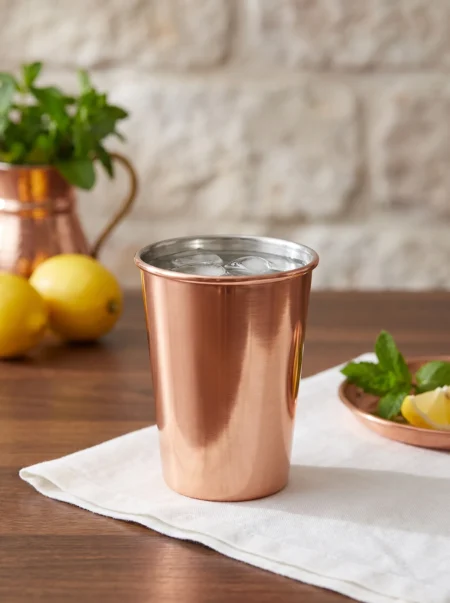
Lungo Copper Tumbler — 530 ml, smooth, polished copper
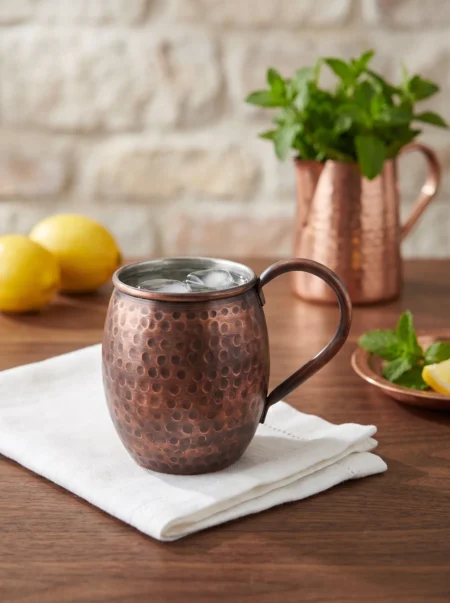
Copper Moscow Mule Mug — 500 ml, hand-hammered, oxidised
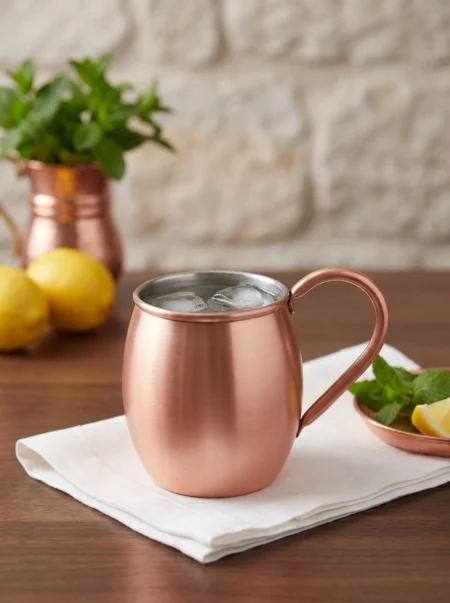
Copper Moscow Mule Mug — 500 ml, smooth, brushed matt
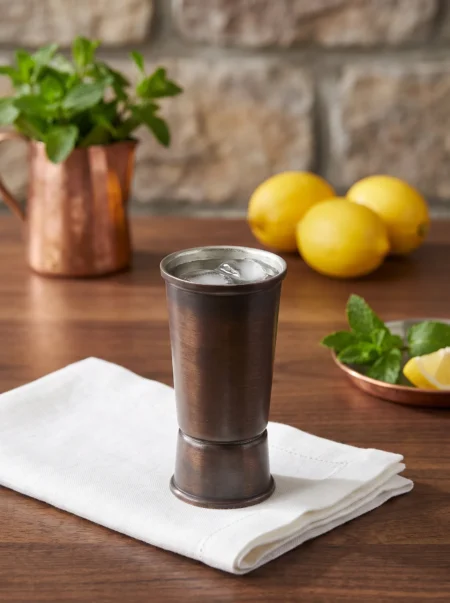
Copper Shot Glass — 40 ml, smooth, oxidised
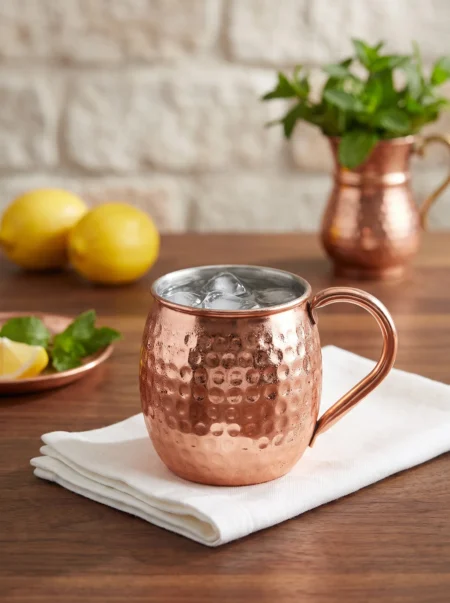
Luna Copper Tumbler — 360 ml, smooth, polished copper
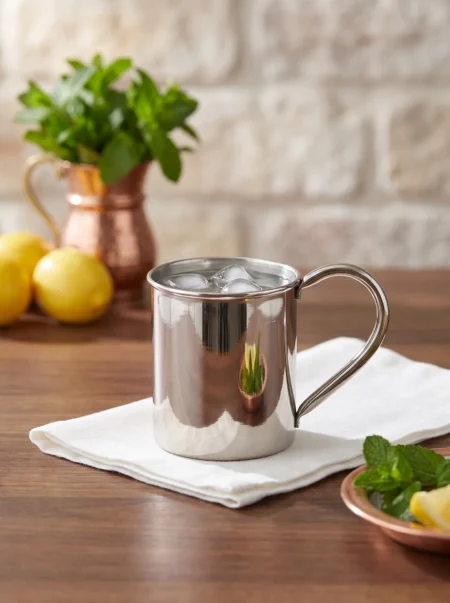
Copper Tumbler — No. 1, 330 ml, smooth, nickel-plated
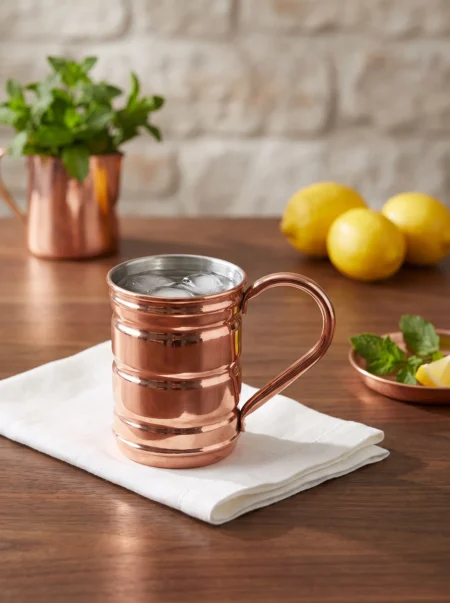
Copper Tumbler — 380 ml, smooth, polished copper, brushed matt
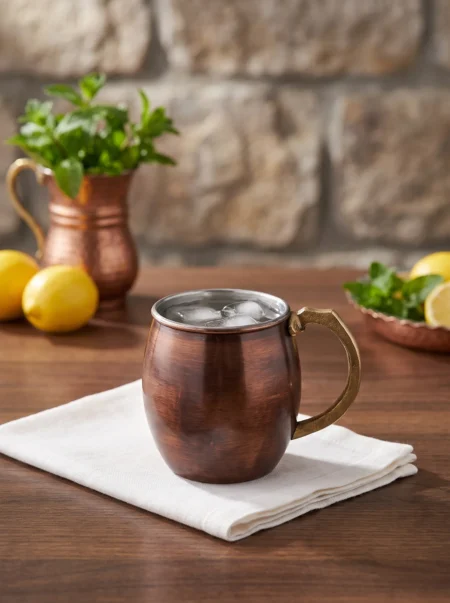
Riva Copper Tumbler — 550 ml, smooth, oxidised
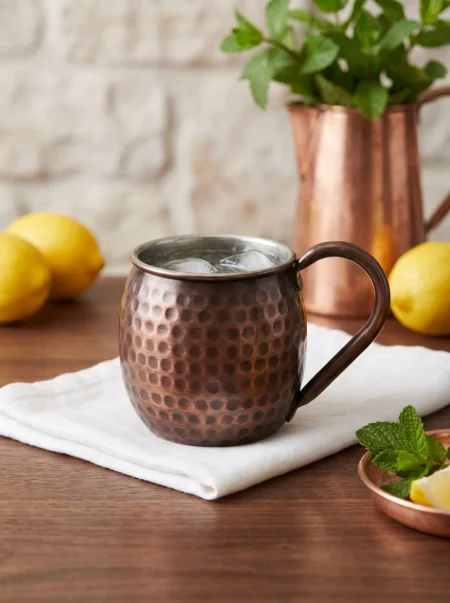
Luna Copper Tumbler — 360 ml, smooth, oxidised
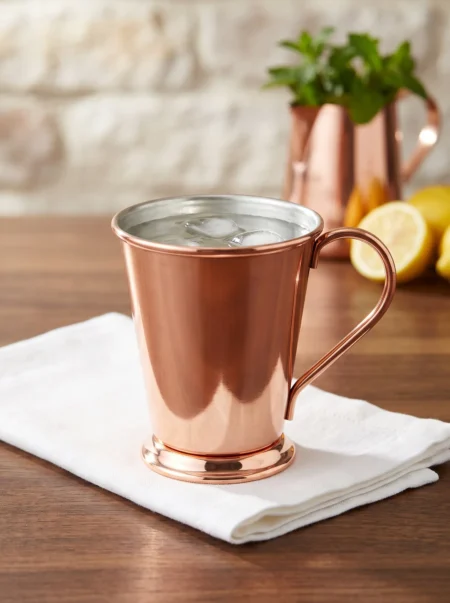
Linea Copper Tumbler — 400 ml, smooth, polished copper
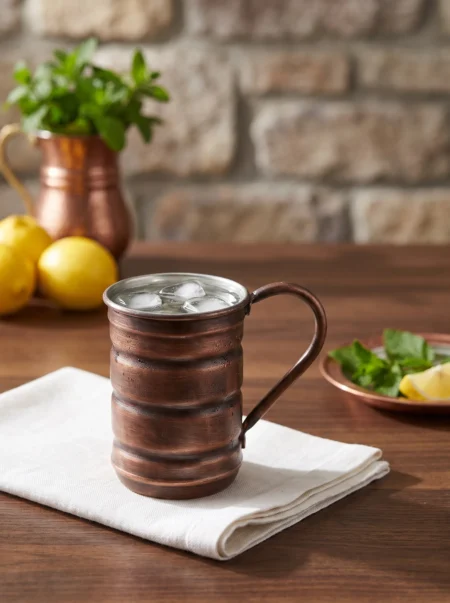
Copper Tumbler — 380 ml, smooth, oxidised, brushed matt
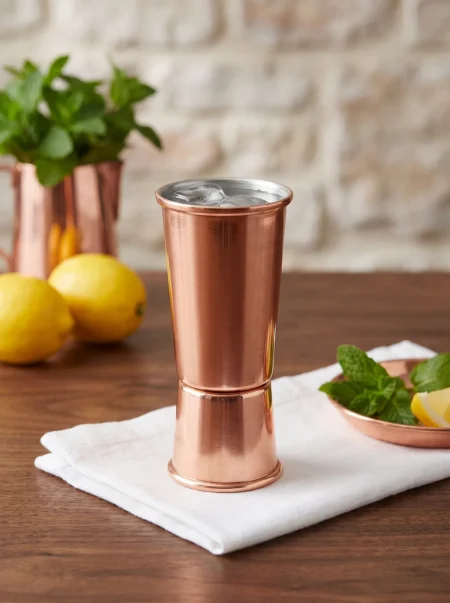
Copper Shot Glass — 40 ml, smooth, polished copper
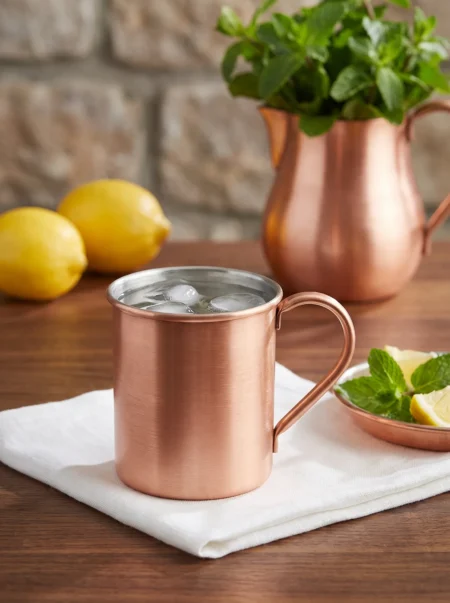
Copper Tumbler — No. 1, 330 ml, smooth, brushed matt
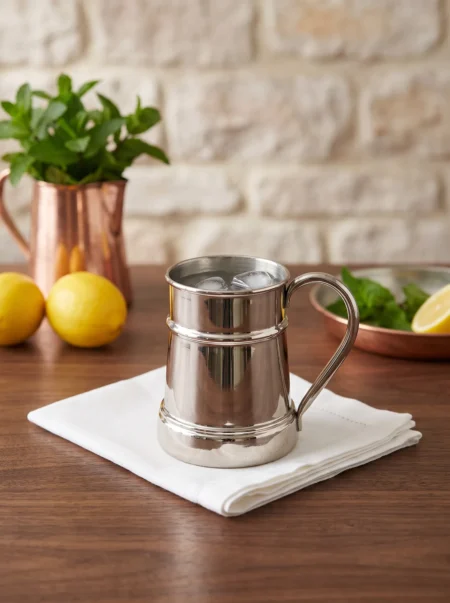
Debito Copper Tumbler — 600 ml, smooth, nickel-plated
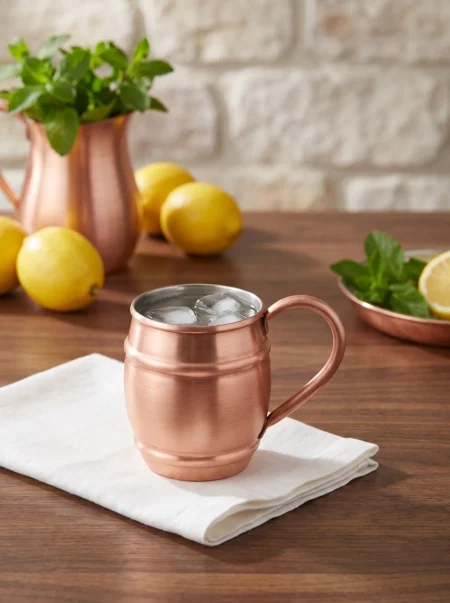
Grande Copper Tumbler — No. 2, 1000 ml, smooth, brushed matt
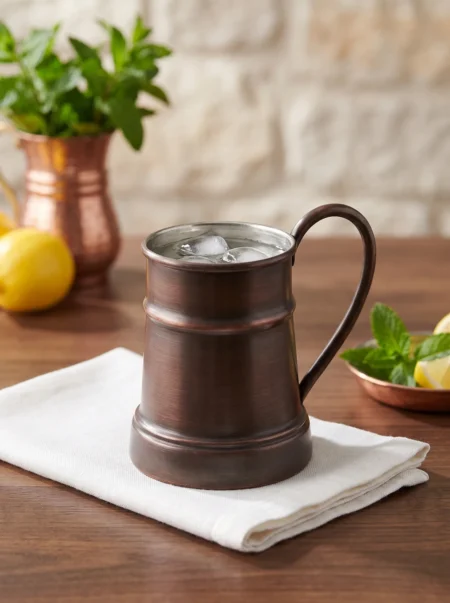
Debito Copper Tumbler — 600 ml, smooth, oxidised
A copper cup is a serving vessel that takes on the temperature of its drink within seconds and carries it to your palm. The range spreads across a wide span of volumes, from a 30 ml single-sip cup to a 1000 ml sharing tumbler. BakırBul produces these cups to order through a long-term partner workshop in Kahramanmaraş, Türkiye; each body is shaped by hand, and every surface that meets a drink is tin-lined.
Why a copper cup keeps a drink cool
The answer lies in two properties of the metal. The first is high heat conduction: the copper wall passes the temperature of an iced drink straight to the outside, so the whole cup chills and, in humid air, a fine film of condensation forms on it. You can see how cold the drink is. The second is low thermal mass: a cup made from 0.55–0.90 mm sheet weighs 170–180 grams, so it brings far less room-temperature heat with it than a thick glass or porcelain cup, and it does not warm the first sip.
Copper is not an insulator, though. It lets the surrounding heat in just as quickly. Chilling the cup in the fridge for a few minutes before service and building the drink over plenty of ice is what turns the property of the metal into something you actually notice.
Volume and use
| Volume | Lines in the range | What it suits |
|---|---|---|
| 30 – 40 ml | One-Shot, Shot | Single-sip serving and tasting measures |
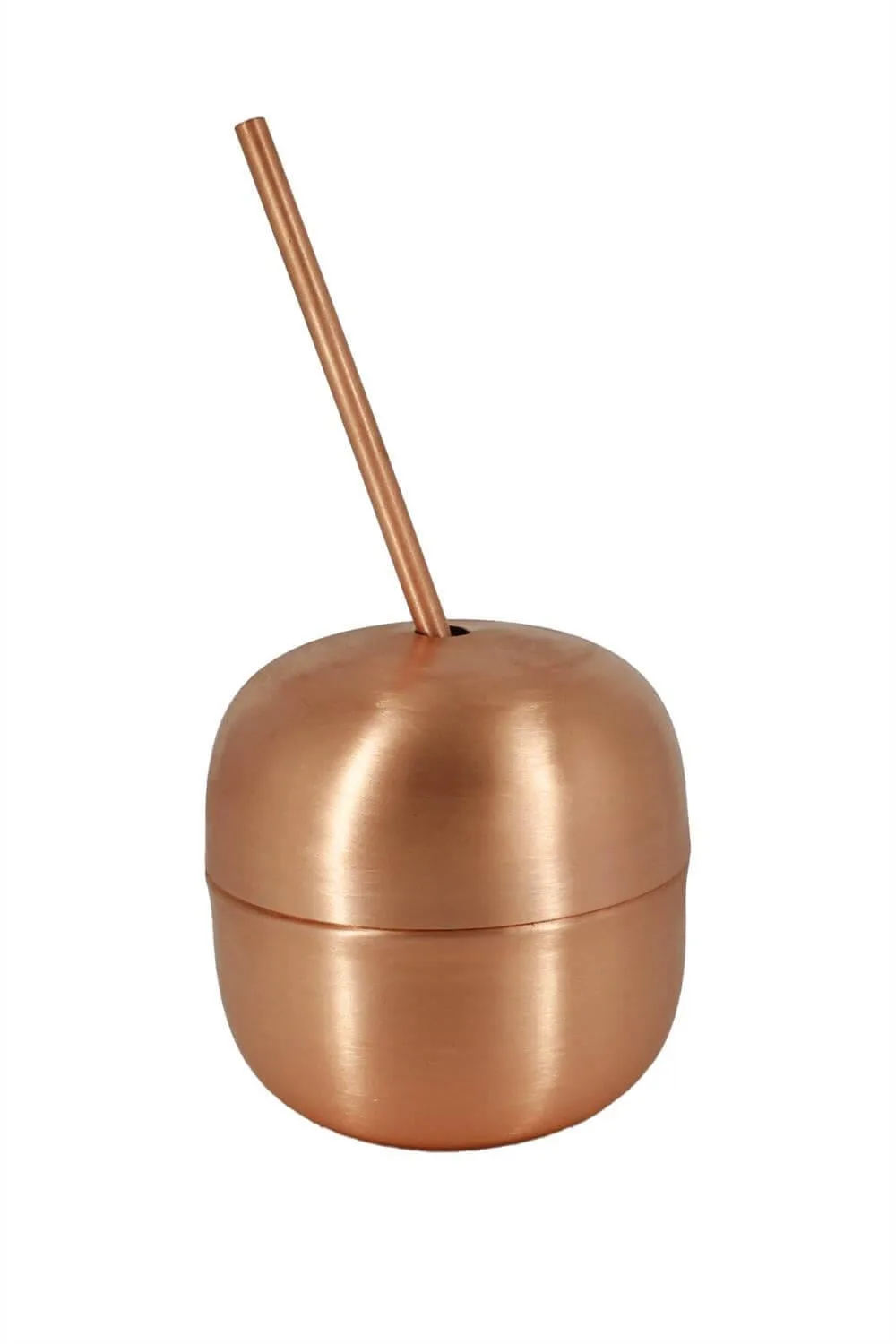
| 250 – 330 ml | Apple Cocktail (with straw), Bevanda (300 ml), Cup No. 1 (330 ml) | Water and ayran at breakfast, small serves |
| 360 – 420 ml | Luna, Linea, Verona and a 380 ml line | Everyday water-glass size, fruit juice |
| 450 – 530 ml | Cup No. 2, Grande No. 1, Moscow Mule, Lungo | Long drinks built over ice |
| 550 – 600 ml | Riva, Terra, Debito | Ayran, lemonade and iced tea; summer tables |
| 1000 ml | Grande No. 2 | Shared service, used on the table in place of a jug |
The category also includes copper drinking straws, listed singly and in sets, for anyone who wants to drink an iced drink through metal. Cleaning, safety and bulk packing are covered in copper drinking straws in bulk.
Moscow Mule mugs and copper cup culture
The form that made the copper cup known around the world is the Moscow Mule mug, and the name has settled in as a cup line of its own. The Moscow Mule line in this range holds 500 ml and is listed in smooth and hand-hammered versions. The handle keeps the hand away from the liquid, so the drink is less affected by body warmth, and the outside of the mug chills quickly and feels cool to hold. The size also suits ginger beer, lemonade, ayran and iced tea served over plenty of ice. Lining, care and bulk terms for bars and hotels are set out in wholesale Moscow Mule copper mugs.
How to tell a real copper cup
Copper does not attract a magnet; a magnet that sticks to the body points to a plated product. Weight is the second test, because a copper cup is heavier than a steel cup of the same volume. On plated products the base metal shows through over time at wear points such as the foot of the handle and the rim. Copper and brass can also be confused at a glance; the difference is in the colour, the weight and how each one tarnishes.
What sets the price of a copper cup
Volume, wall thickness and technique set the price together. The bigger the body, the more copper it takes. Hand-hammered bodies carry a labour share for the hammer work and sit above smooth and machine-hammered ones. In sets, the number of pieces sets the total. Prices are quoted per order, since they follow the copper price, the finish and the quantity; send your list with quantities and destination.
Before first use
Wash a new cup in warm water with a soft sponge and dry it straight away. Do not let detergent stand in it and do not put it in the dishwasher. Before filling, look at the tin lining inside and check that it is continuous. The same routine for every copper vessel is set out in how to care for copper.
Gauge, finish and sets
- Gauge: most cups sit between 0.55 mm and 0.90 mm. Thin sheet keeps a cup light; heavier sheet gives a sturdier body. The one-litre Grande No. 2 is made from 0.90 mm sheet.
- Finish: polished copper is the natural colour of the metal, oxidised is a deliberately darkened finish, brushed matt is a satin surface, and nickel-plated gives a silver-tone exterior with tin inside. One model often comes in several finishes; the 380 ml line, for example, is listed in polished copper and in oxidised.
- Sets: models are listed as a single piece and as sets of two, four and six, each separately. For a table of six, a set of six is the most practical choice.
- Technique: hammer marks are clear on hand-hammered cups and no two pieces are identical; smooth bodies have a plain, even wall.
Tin lining, care and tarnish
The inside of every cup is tin-lined. Tin keeps acidic drinks off the copper, and under heavy use it is usually renewed every one to two years. When the reddish colour of copper starts to show inside in spots, it is time to re-tin. Keep the cups out of the dishwasher; wash them by hand with a soft sponge and warm water and dry them at once. A darkened surface comes back if you rub it with half a lemon dipped in salt, or with a paste of flour, vinegar and salt, then rinse. The normal shelf of the fridge is enough to chill a cup; there is no need to leave it in the freezer.
Raising a cup in Kahramanmaraş
A cup is not pressed out of a mould in one stroke. The coppersmith raises a flat disc of sheet a little at a time, on the lathe and under the hammer, until the body takes shape. The critical stage is the rim, because the few millimetres of curl that meet the lips must be smooth or the cup is unpleasant to drink from. Kahramanmaraş copperwork carries a registered Turkish geographical indication, and the same skill is applied today to modern serving cups as well as to traditional forms.
Bar and café fit-outs need high quantities of the same model, so the choice is made by sets rather than single pieces. For lists at that scale, Turkish copper mugs and tumblers sets out finishes, engraving and the wholesale route.
Lines, sets and sizes
The volume range in this category is one of the widest in the catalogue: it runs from 40 millilitre single-sip bodies up to one-litre tumblers. The choice therefore starts with the drink; water beside coffee, tea, ayran and long cold drinks each want a different volume.
Sheet thickness varies from 0.40 to 1.10 millimetres. Thin bodies are light and warm quickly in the hand; heavier bodies hold the cold longer but weigh more. Most bodies in this group are smooth, and the hand-hammered choice is limited. Finishes are polished copper, oxidised, brushed matt and nickel-plated.
Frequently asked questions
Is it safe to drink from a copper cup?
Yes, drinking from a copper cup with a tin-lined interior is safe. The tin layer keeps the drink from direct contact with copper. Not leaving acidic drinks standing in the cup for long, and renewing the tin when it wears, are the precautions that matter. The background, including the US FDA Food Code limit on copper and acidic foods, is in is copper cookware safe.
Can copper cups go in the dishwasher?
No. Dishwasher detergent and high temperatures wear down the tin and dull the outside of the cup. Wash by hand in warm water and dry straight away. For bars that need fast turnaround, a rinse in warm water and an immediate dry with a soft cloth between services is enough.
Which volume is right for iced drinks?
For drinks served over ice, choose 500 ml or more. Ice takes up roughly a third of the volume, so a 330 ml cup filled with ice holds only two or three sips of liquid. A 550–600 ml tumbler gives a full long drink with room for ice.
Does the colour of the cup change over time?
Yes. Copper darkens as it meets the air, and that is normal behaviour for the metal. Regular polishing brings back the first-day colour; if you prefer the dark tone, the oxidised models start out that way, and nickel-plated cups change far more slowly.
I want a stemmed vessel. What should I look at?
If you want a stem, look at the glasses rather than the cups. Copper wine and cocktail glasses are listed from 240 ml to 500 ml; to see every drinking vessel together, browse copper drinkware.