
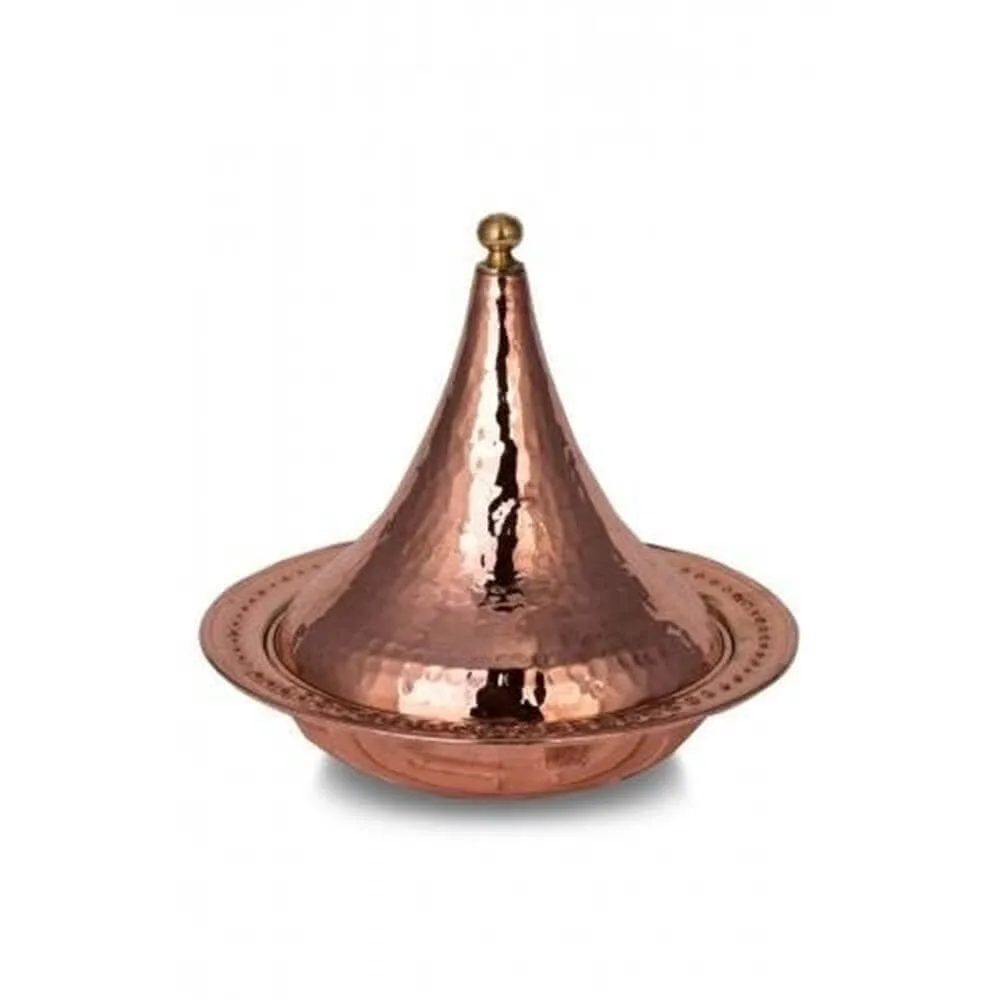
Copper Serveware
Type
Technique
Finish
Sheet thickness
Copper serveware carries food and drink from the kitchen to the table and holds it there for the length of a meal. BakırBul’s range covers serving plates and kebab platters, trays and tea saucers, serving bowls, sugar bowls and Turkish delight dishes, pitchers and milk jugs, and the raki glass cooler, each quoted per order.
Showing 1–16 of 167 results
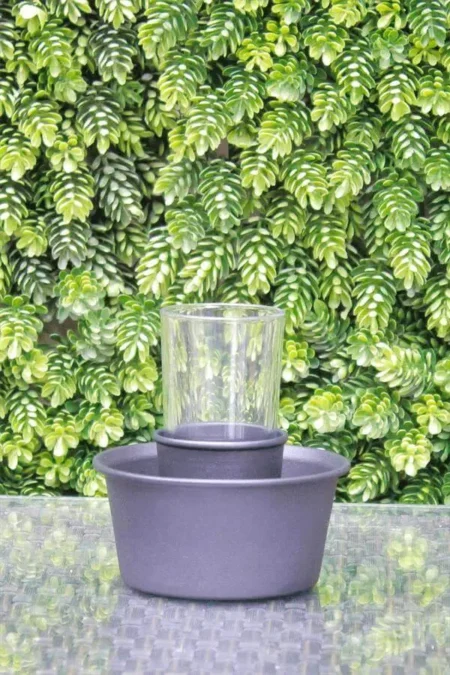
Klasik Metal Glass Cooler — matt black
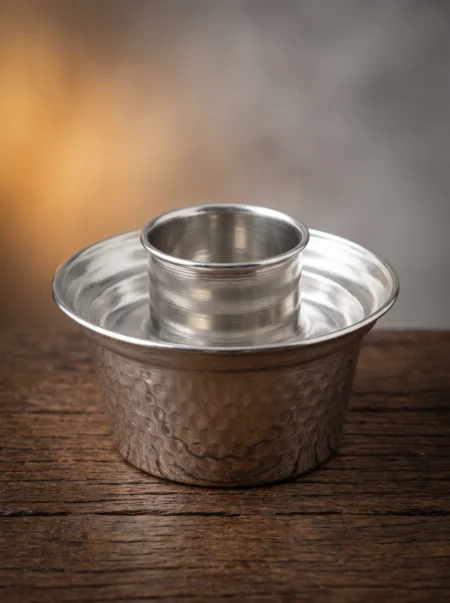
Klasik Copper Raki Glass Cooler — machine-hammered, nickel-plated
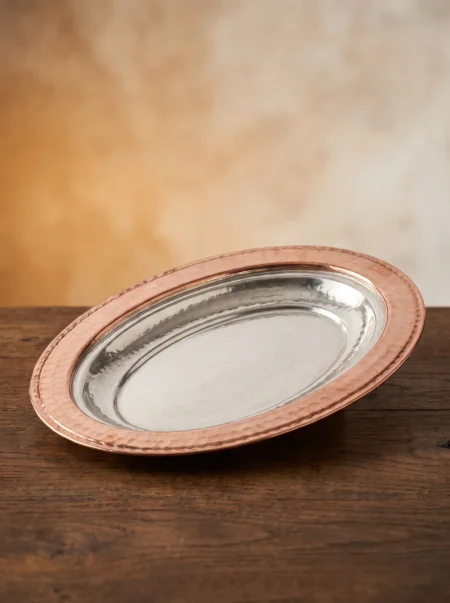
Copper Kebab Boat Plate — 35 cm, hand-hammered, polished copper
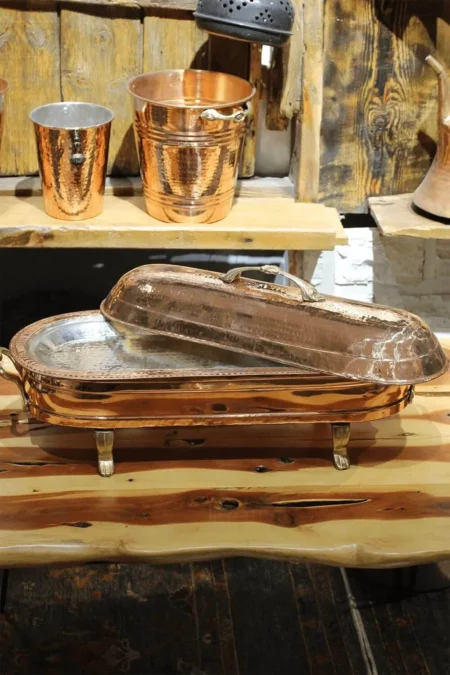
Lidded Copper Footed Charcoal-Heated Kebab Platter — 120 cm, polished copper
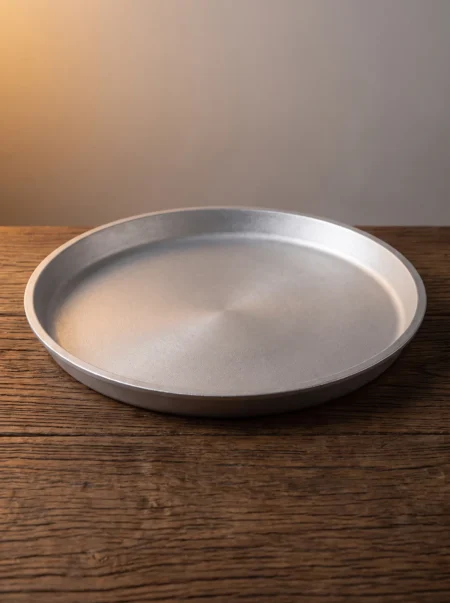
Aluminium Kunafa Plate — for 2, 20 cm
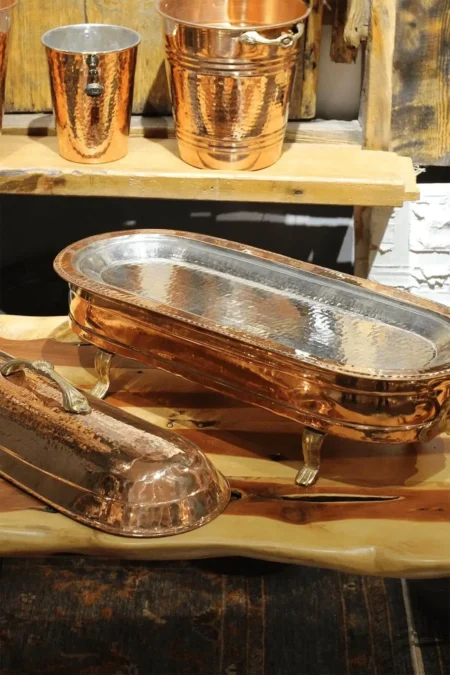
Lidded Copper Footed Charcoal-Heated Kebab Platter — 100 cm, polished copper
Lidded Copper Footed Charcoal-Heated Kebab Platter — 90 cm, polished copper
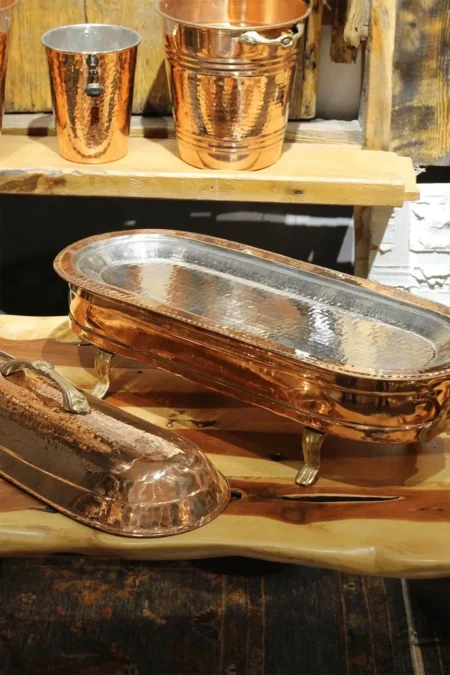
Lidded Copper Footed Charcoal-Heated Kebab Platter — 50 cm, polished copper
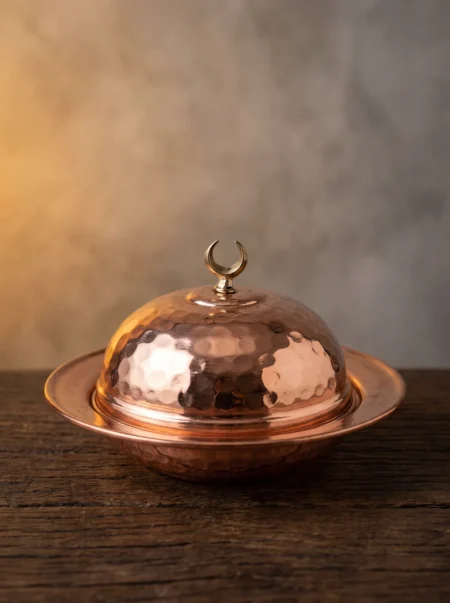
Saka Round Copper Turkish Delight Dish — 11 cm, hand-hammered, polished copper
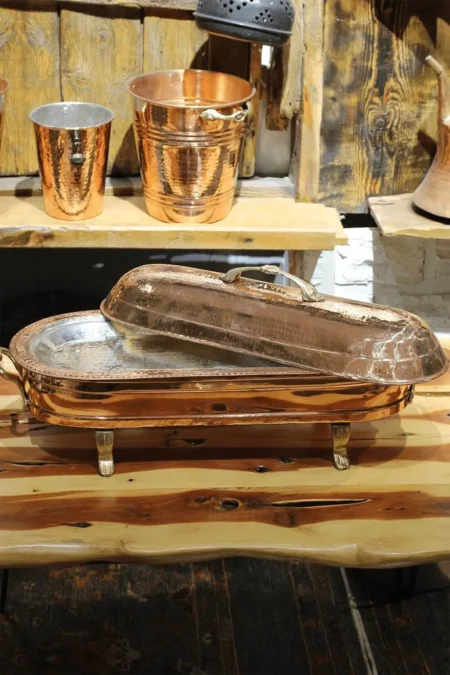
Lidded Copper Footed Charcoal-Heated Kebab Platter — 70 cm, polished copper
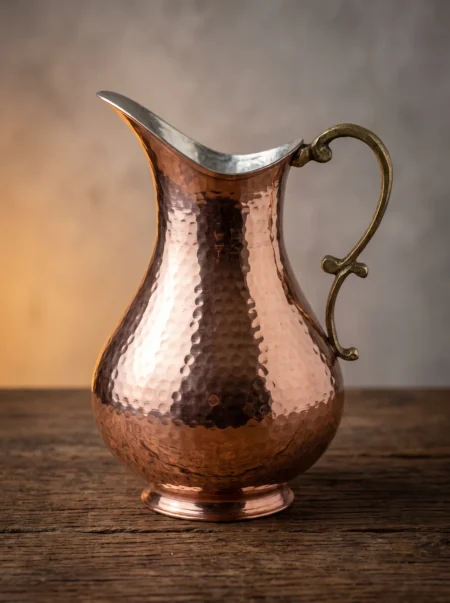
Maraş Copper Pitcher — No. 2, hand-hammered, polished copper
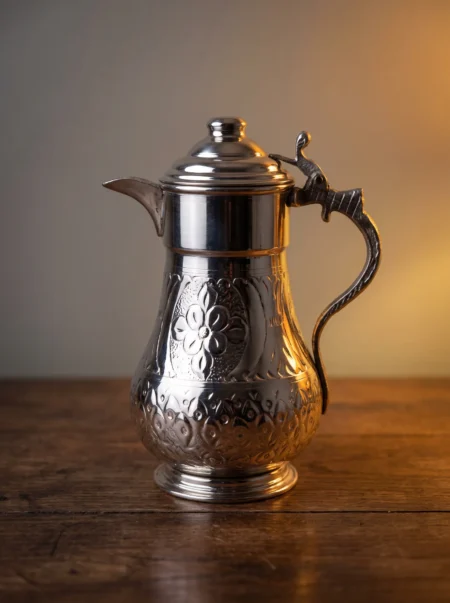
Penguin Copper Pitcher — No. 2, hand-engraved, nickel-plated
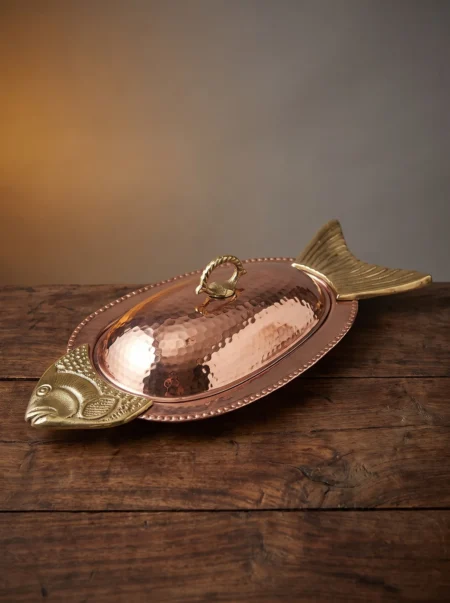
Orkinos Copper Lidded Fish Serving Platter — 40 cm, hand-hammered, polished copper
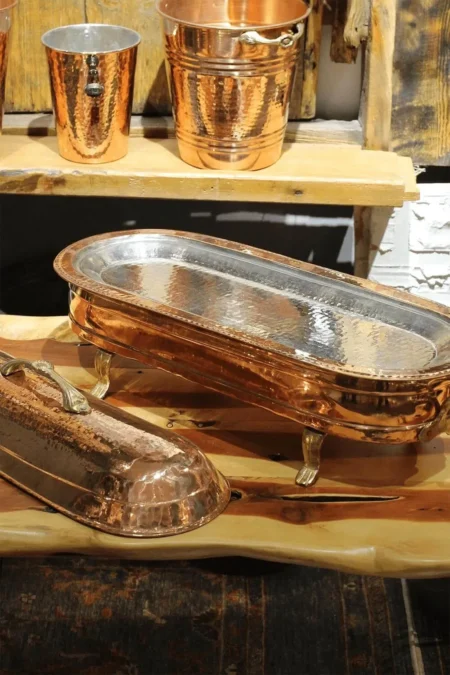
Lidded Copper Footed Charcoal-Heated Kebab Platter — 40 cm, polished copper
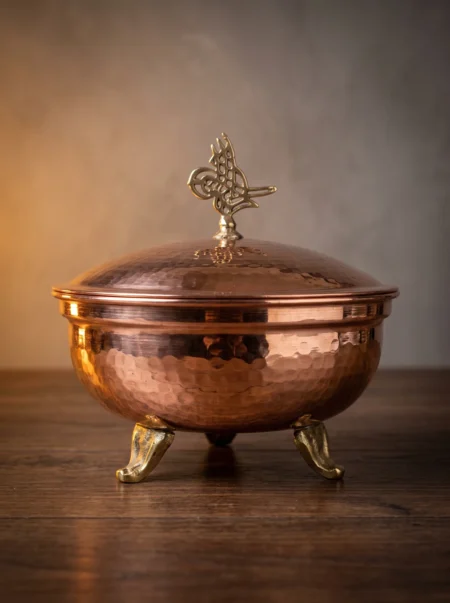
Defne Copper Sugar Bowl — 14 cm, hand-hammered, polished copper
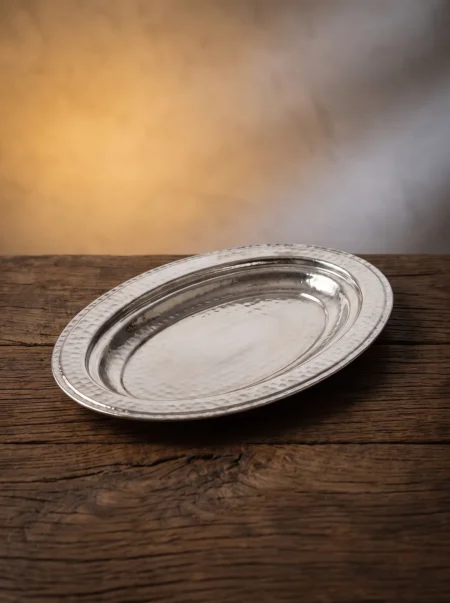
Copper Kebab Boat Plate — 35 cm, hand-hammered, nickel-plated
Copper serveware is the group of vessels that take food and drink from where it was cooked to the table, and keep it there for a while. The range brings together round serving trays, boat-shaped and fish serving platters, deep serving bowls, pitchers and milk jugs, sugar bowls and Turkish delight dishes, and the raki glass cooler vessels that keep a glass cool. BakırBul produces them to order through a long-term partner workshop in Kahramanmaraş, Türkiye, where copper sheet is hammered and shaped into each piece.
Why serving pieces are made in copper
At the table, copper’s job is not to make heat but to manage it. A kebab set on a lidded boat-shaped platter stays hot longer, while the lid is closed, than one on a porcelain plate, because the copper body quickly takes up the heat passed to it, spreads it evenly over the surface, and the lid keeps the steam in. The same property works the other way: a pitcher taken from the fridge, or an raki glass cooler filled with ice, chills quickly and leaves a cool surface in your hand.
The second reason is durability. Copper sheet between 0.40 and 1.20 millimetres, hammered and dished in one piece, gives a body with no seams. There is nothing to break; over the years its colour changes but its shape does not. The third is appearance: hammer marks break up the light, so a copper piece at the centre of a table does not read as a flat, single-colour surface under candles or a chandelier.
Sub-categories and what each is for
| Sub-category | Size range in the range | Place at the table |
|---|---|---|
| Copper serving plates and platters | 23–60 cm plates, 30–120 cm charcoal kebab warmers | Main courses, kebab, fish, lidded hot service |
| Copper serving trays | 34 cm trays, 11 cm tea saucers | Carrying tea and coffee, saucers under tea glasses |
| Copper serving bowls | From a 7.5 cm breakfast bowl to a 32 cm punch bowl | Jam, olives, salad, fruit, iced drinks |
| Copper sugar bowls and candy dishes | 7–16 cm across, singly and in sets of two to six | Beside coffee: sugar, Turkish delight, nuts |
| Copper pitchers and jugs | 500 ml – 2500 ml | Water, ayran, sherbet, milk and lemonade |
| Copper raki glass coolers | About 12 cm across, 7–8.5 cm high | Surrounding a glass with ice to keep it cool |
Restaurants, hotels and caterers that lay large tables can take several sizes of the same model together; the specification questions that venues ask are answered in copper for restaurants and hotels.
Serving dish, platter or sunumluk
In Turkish, the everyday word for a serving dish is sunumluk; in the range the same pieces are listed as serving plates, boat-shaped plates and lidded serving dishes. Lidded ones keep food hot at the table; open ones are used for meze and desserts. Form and size are compared across trays, plates and bowls in wholesale copper trays, plates and bowls.
How to tell real copper serveware
Copper does not attract a magnet; a magnet that sticks to the body shows that a different metal lies underneath. Weight is the second test: a copper serving piece is clearly heavier than a steel one of the same size. The third is the surface that meets food: on copper it should be tin-lined, and tin has a dull, pale grey colour. If a product page does not state the interior, ask before ordering. Telling copper from brass is set out in copper vs brass.
What sets the price of copper serveware
In serving pieces, the price is built from diameter, sheet gauge and the way the body is formed. As the surface area grows, so does the copper used; lidded models contain a second part and sit above open ones. Hand-hammered bodies carry a labour share over machine-hammered ones. Prices are quoted per order, because they follow the copper price, the finish and the quantity; send your list with quantities and the destination.
Serveware, tin and the hob question
None of the pieces in this group is made to be used on a hob. Even so, tin matters at least as much as in cookware, because a serving piece is in direct and sometimes hours-long contact with food. Acidic food and drink, such as lemony salads, kebab with yoghurt, tomato sauce, ayran and sherbet, should not stay in long contact with bare copper, and the tin layer stops that contact. Tin is a layer that wears; in heavily used service it usually lasts one to two years before it needs to be renewed. When reddish copper starts to appear inside in patches, it is time to re-tin.
The one exception is the footed charcoal kebab warmer: embers go into its lower chamber to keep the food hot, but it is still a warming device, not a cooking tool. Serving pieces do not go in the dishwasher, because detergent and heat harm both the tin and the surface. Wash by hand with a soft sponge and warm water and dry straight away. Darkening is not a defect; it is copper’s natural reaction with air, and rubbing with half a lemon dipped in salt, or spreading a paste of flour, vinegar and salt, brings back the shine.
Kahramanmaraş copperwork and serving pieces
Kahramanmaraş copperwork carries a registered Turkish geographical indication. Serving pieces are the most visible products of that craft, because they sit at the centre of the table and are seen from every side. The hammer first dishes the flat sheet, then rolls and hardens the rim; on lidded models each lid is matched to its own body, which is why the lid of one model may not sit perfectly on another body. BakırBul produces these pieces through its partner workshop in Kahramanmaraş and supplies them wholesale.
Lines and sizes
Because the serving group gathers every vessel that comes to the table, its size range is wide: weight runs from small 60 gram pieces to large platters of 2,364 grams. The choice is therefore made first by the job the vessel does, not by its size.
Sheet thickness varies from 0.40 to 1.20 millimetres. Heavy sheet is preferred for pieces that pass from hand to hand and meet a knife; thin sheet for pieces used only for presentation. Lidded forms make up a separate line, used to keep food hot. Finishes include polished copper, nickel-plated, oxidised, brushed matt and matt black.
Frequently asked questions
Does copper serveware come tin-lined?
The interior is stated per product. Nickel-plated pieces are tin-lined inside, with the nickel on the outside only; where a product page does not state the interior, the quotation confirms it in writing before the order. Tin is a layer that wears with use, so it needs to be renewed at intervals on pieces in daily service.
Can copper serving pieces be used on the hob or in the oven?
No, this group is not made for the hob or the oven, and copper does not work on an induction hob in any case. For cooking on gas and electric hobs, look at tin-lined pots, pans and wok pans in copper cookware.
Should I buy a table set piece by piece?
Buying piece by piece is fine as long as you keep to one finish. Polished copper, nickel-plated, oxidised and brushed matt finishes repeat across different models, so you can gather the tray, the sugar bowl and the plate in the same finish and complete the set over time.
Will a serving piece that shows as out of stock come back?
A model that is currently out of stock can be made in a production run. Use the Wholesale enquiry button on the product to send the code and quantity, and the lead time is agreed with the order. The stock line on the product page is read live.